A website used to be optional, a digital business card. In 2026, it's the opposite: it's usually the first, and sometimes the only, interaction a potential customer has with your business before deciding whether to trust you. If that experience is slow, outdated, or missing entirely, you're losing customers before you ever get the chance to talk to them.
Here's what actually matters when it comes to a business website, and what a properly built one should include.
Why a Website Still Matters More Than Ever
A professional website helps businesses establish credibility, build trust, and generate inquiries and sales around the clock, not just during business hours. Whether you run a hotel, restaurant, startup, retail store, or healthcare practice, your website is often doing sales work while you sleep.
Customers judge credibility in seconds. A dated design, broken layout on mobile, or slow load time quietly pushes them to a competitor's site instead.
What a Modern Business Website Should Include
- Responsive design, looks and works correctly on desktop, tablet and mobile
- Fast loading pages, every extra second of load time increases the chance a visitor leaves
- SSL security, the padlock icon browsers and search engines now expect by default
- Clear contact forms, making it effortless for a visitor to become a lead
- Basic on-page SEO, proper titles, meta descriptions and structured content so Google can actually rank you
- Google Search Console and Analytics setup, so you can see what's working
- XML sitemap and robots.txt configuration, technical basics that directly affect indexing
Need a website built the right way from day one?
See Tripstar Web Development →Design That Supports Growth, Not Just Looks
A good website isn't only about appearance, it should be built to attract visitors, hold their attention, and support your business goals as you scale. That means planning the structure, writing content around what customers actually search for, and testing performance before and after launch, not just once at the start.
Website + SEO + Social: Why They Work Together
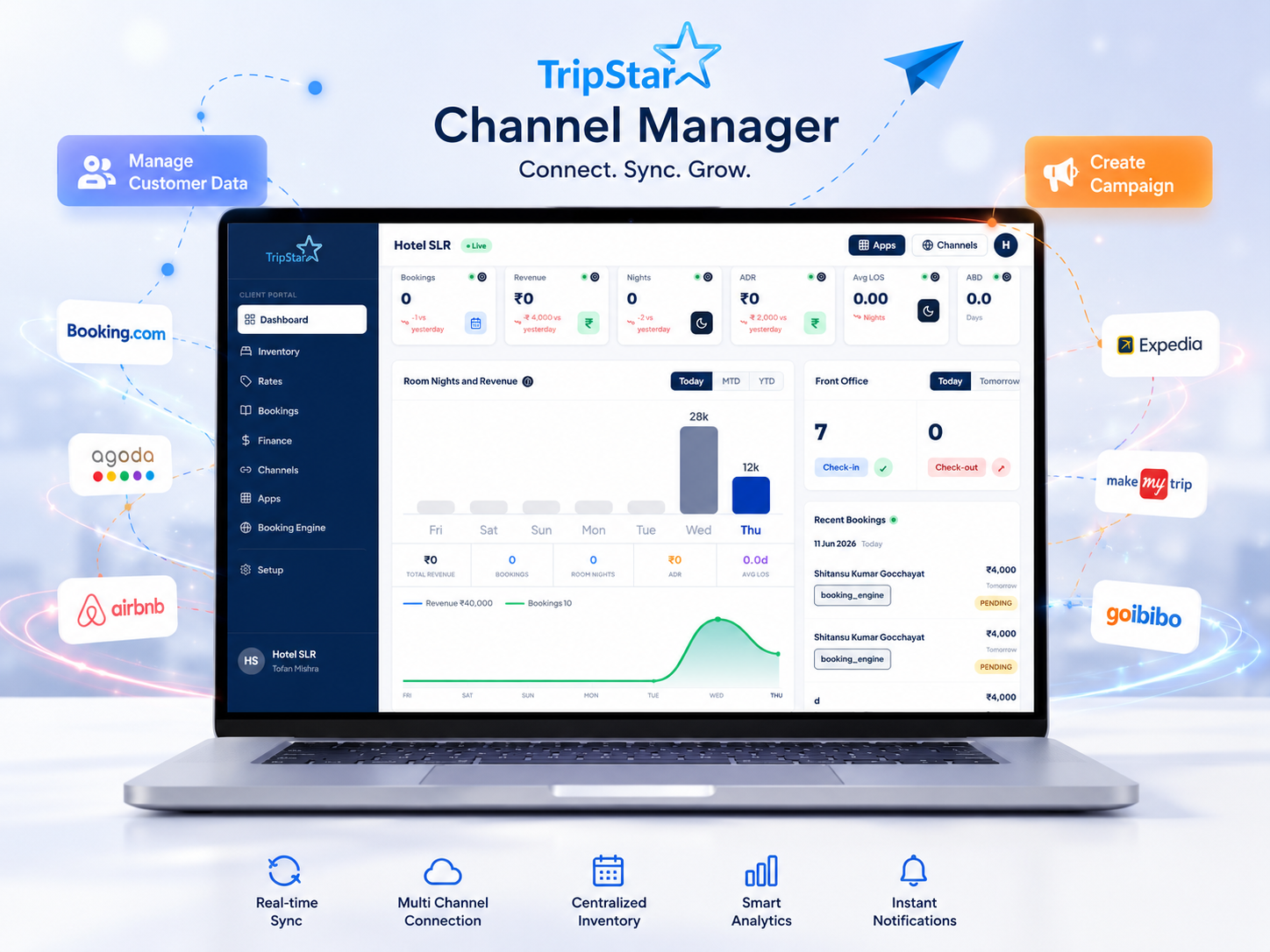
A great website with no visibility is invisible. Pairing your site with ongoing SEO and social media optimization is what actually drives consistent traffic to it. If you're in hospitality specifically, your website should also connect cleanly to your booking engine and OTA listings so guests can book directly, not just browse.
Getting Started
If your current website hasn't been touched in a couple of years, start with a quick audit: mobile speed, contact form functionality, and whether your top service pages actually show up on Google for your business name plus your city.
Read next: SEO vs SMO: What's the Difference and Why You Need Both.

Tripstar Team
We design and build responsive, SEO-ready websites for hotels and businesses across India. This article reflects patterns we see across real client audits.